

The Safe Buyer Philly Guide: How to Buy a Home in Philadelphia With Confidence
Buying a home in Philadelphia can feel overwhelming—especially if safety, financial stability, and long-term peace of mind matter to you. Between neighborhood block-by-block differences, aging housing stock, taxes, and interest rates, many buyers aren’t just asking “Can I buy?” but “Will I feel safe if I do?”
This guide reframes home buying in Philly through one core question:
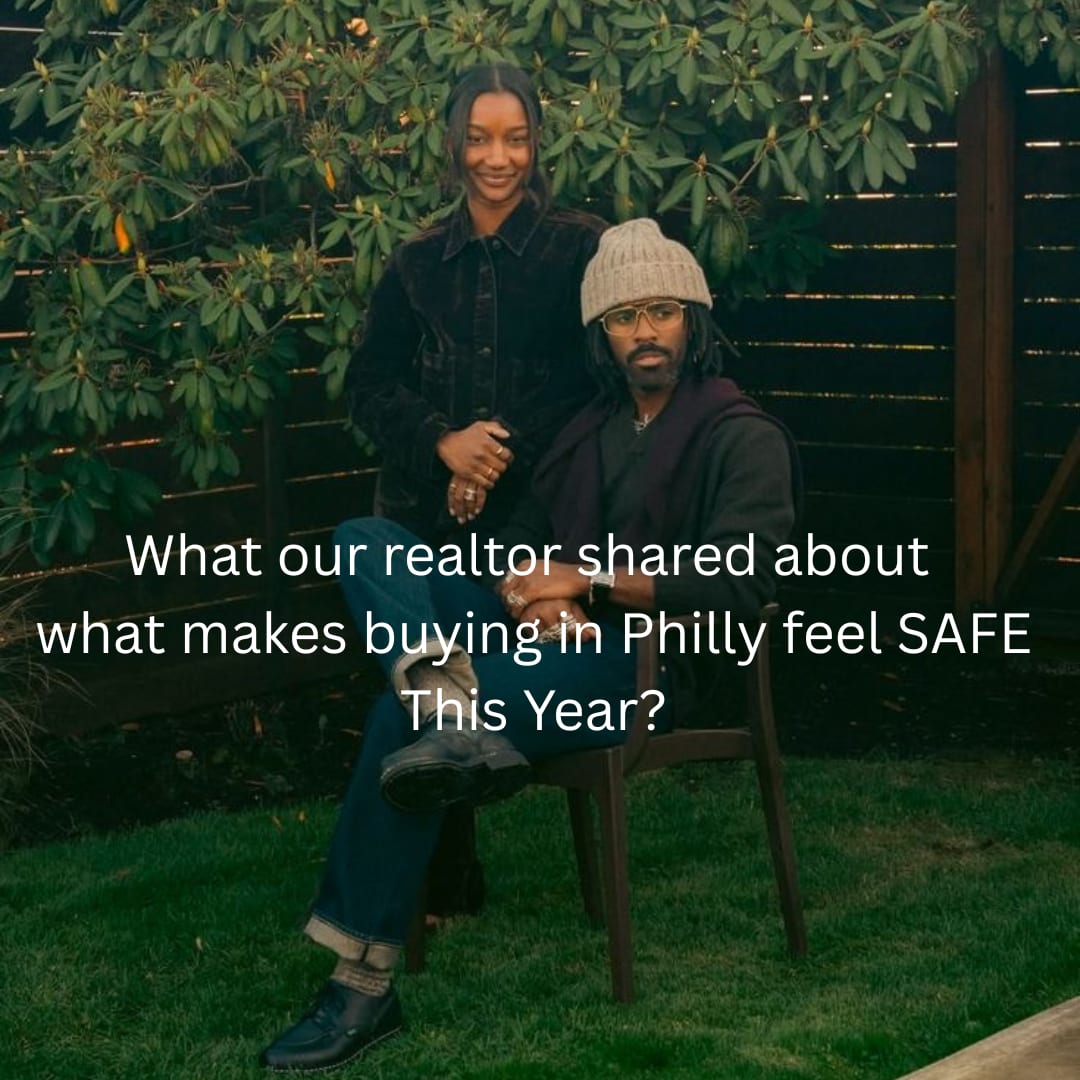
What would make buying in Philadelphia feel safe for you this year?
Below are the 10 most important questions every Philly buyer should ask—and why they matter more than ever.
1. What Does “Safe” Mean to
You as a Buyer?
Before mortgage rates or neighborhoods, define your version of safety.
For some buyers, safety means:
Stable monthly payments
Predictable repairs
Walkable streets and lighting
Long-term value, not speculation
There is no universal answer. The safest purchase is the one aligned with your nervous system, not market hype.
2. Is This Block Stable—or Just Trending?
In Philadelphia, one block can feel completely different from the next.
Ask:
Who owns vs. rents on this block?
Are homes well-maintained?
Are there long-term residents present during the day?
A “safe” block shows consistency, not just appreciation potential.
3. How Old Is the Home—and What Has Actually Been Updated?
Many Philly homes are 80–130 years old. Age alone isn’t the problem—uncertainty is.
Focus on:
Electrical upgrades (knob & tube removal)
Roof age
HVAC systems
Plumbing type
A good inspection isn’t about finding problems—it’s about restoring clarity.
4. Can I Afford This Home Without Being Stretched?
Safety is cash-flow based, not approval-based.
Ask:
Can I comfortably afford this payment if life slows down?
Would one unexpected expense create stress?
Am I relying on overtime, bonuses, or “future income”?
A safe purchase still works on your worst month, not just your best.
5. What Will This Home Cost Me
After
Closing?
Philadelphia ownership includes:
Property taxes (which can adjust)
Water bills (often higher in older homes)
Maintenance unique to rowhomes (shared walls, flat roofs)
Ask for a true monthly ownership estimate, not just the mortgage number.
6. Is This Home Livable
Now —or a Project Disguised as a Deal?
Fixer-uppers are not unsafe—but surprise projects are.
Ask yourself:
Do I have time, energy, and cash for renovations?
Do I want to manage contractors?
Would delays create emotional or financial strain?
Safety includes your capacity—not just your budget.
7. How Liquid Is This Area If I Need to Sell?
Life changes. Safety includes exit strategy.
Consider:
Buyer demand in this zip code
School catchment stability
Days on market for similar homes
A safe home is one you can leave without panic if needed.
8. Does This Purchase Support My 3–5 Year Life Plan?
Ask:
Will this home still fit if my income changes?
If my family grows?
If I want to rent it out later?
The safest homes support future versions of you—not just today’s needs.
9. Am I Being Rushed—or Properly Informed?
Pressure creates regret.
If you feel rushed by:
“Multiple offers” without proof
Tight timelines without explanation
Fear-based urgency
Pause. Safety and speed rarely coexist.
10. Do I Trust the People Guiding Me?
The safest buyers feel held, not sold.
You should feel comfortable asking:
“What would you do if this were your money?”
“What are the risks here?”
“Is this truly aligned with my goals?”
Trust is a safety feature.
Final Thought: Safety Is a Signal, Not a Statistic
Buying in Philadelphia doesn’t have to feel stressful or reactive. When done well, it feels grounded, informed, and calm.
If a home checks boxes but your body feels tense—that’s data.
If a deal feels slower but clearer—that’s safety.
The best Philly purchases are not the fastest ones.
They’re the ones you can rest inside.